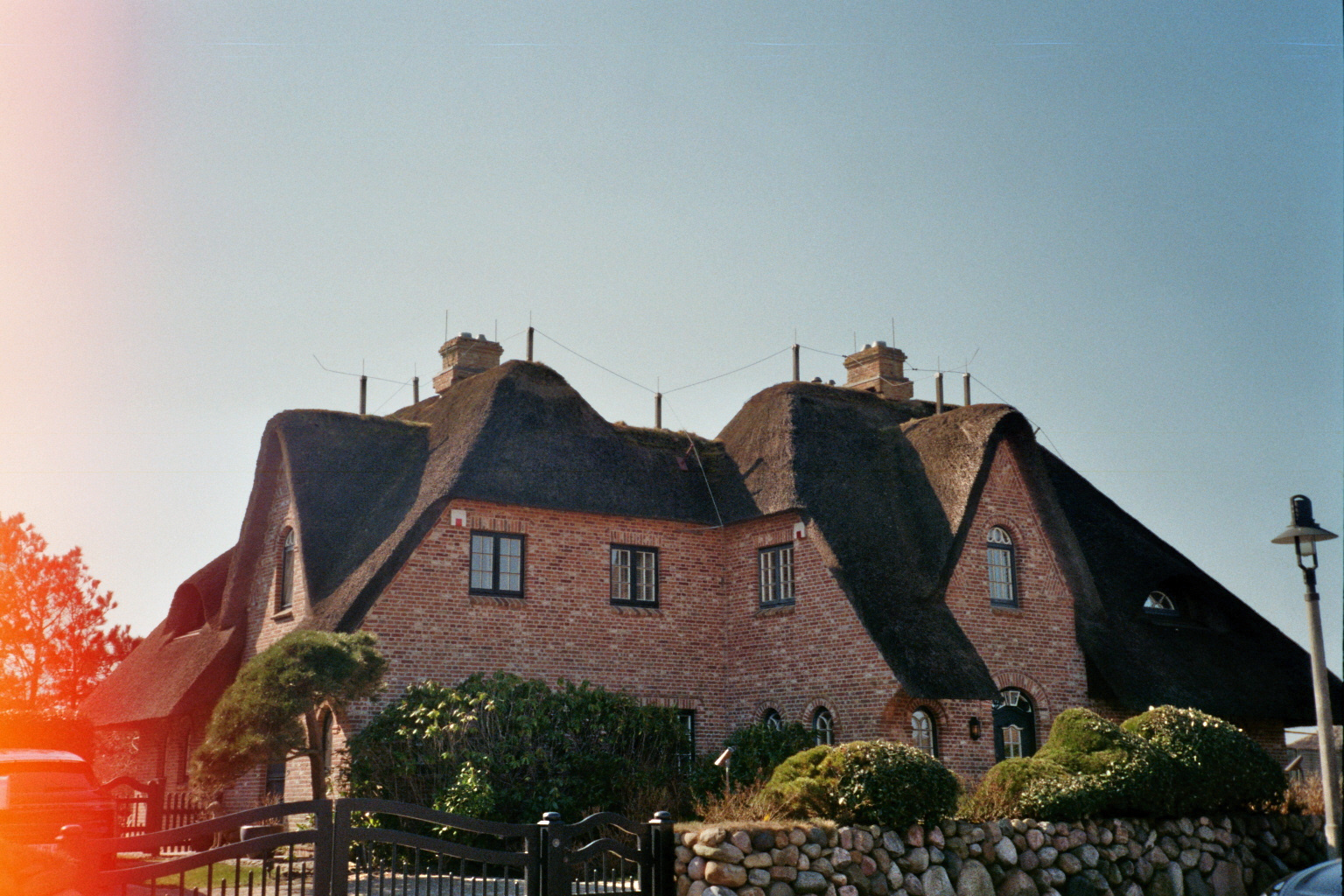
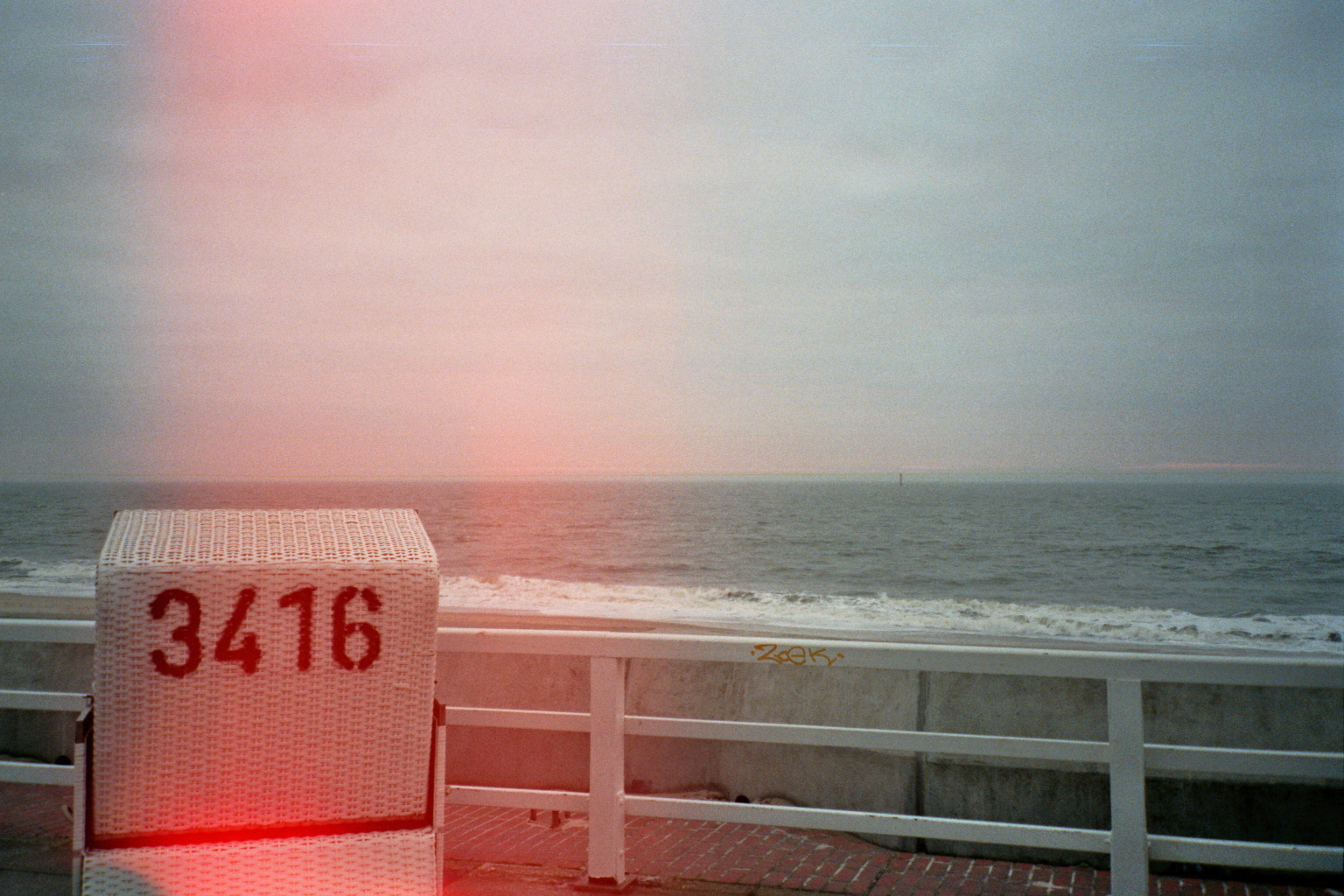
The crackling of a vinyl record, the light spot on an analog photo, the excitement when a film is sent off to be developed.
In recent years, analog media has enjoyed a resurgence in popularity. In a world full of digital stimuli, where we experience sensory overload every day and are overwhelmed by possibilities, we are turning back to the record player, the typewriter, the analog camera.
But why?
We can play music on demand, choosing from a library of millions of different tracks every day. Thousands of artists, millions of songs, audiobooks, albums. Our cell phones take almost better photos than a system camera, and why should we write with a typewriter when we always have to adjust the paper?
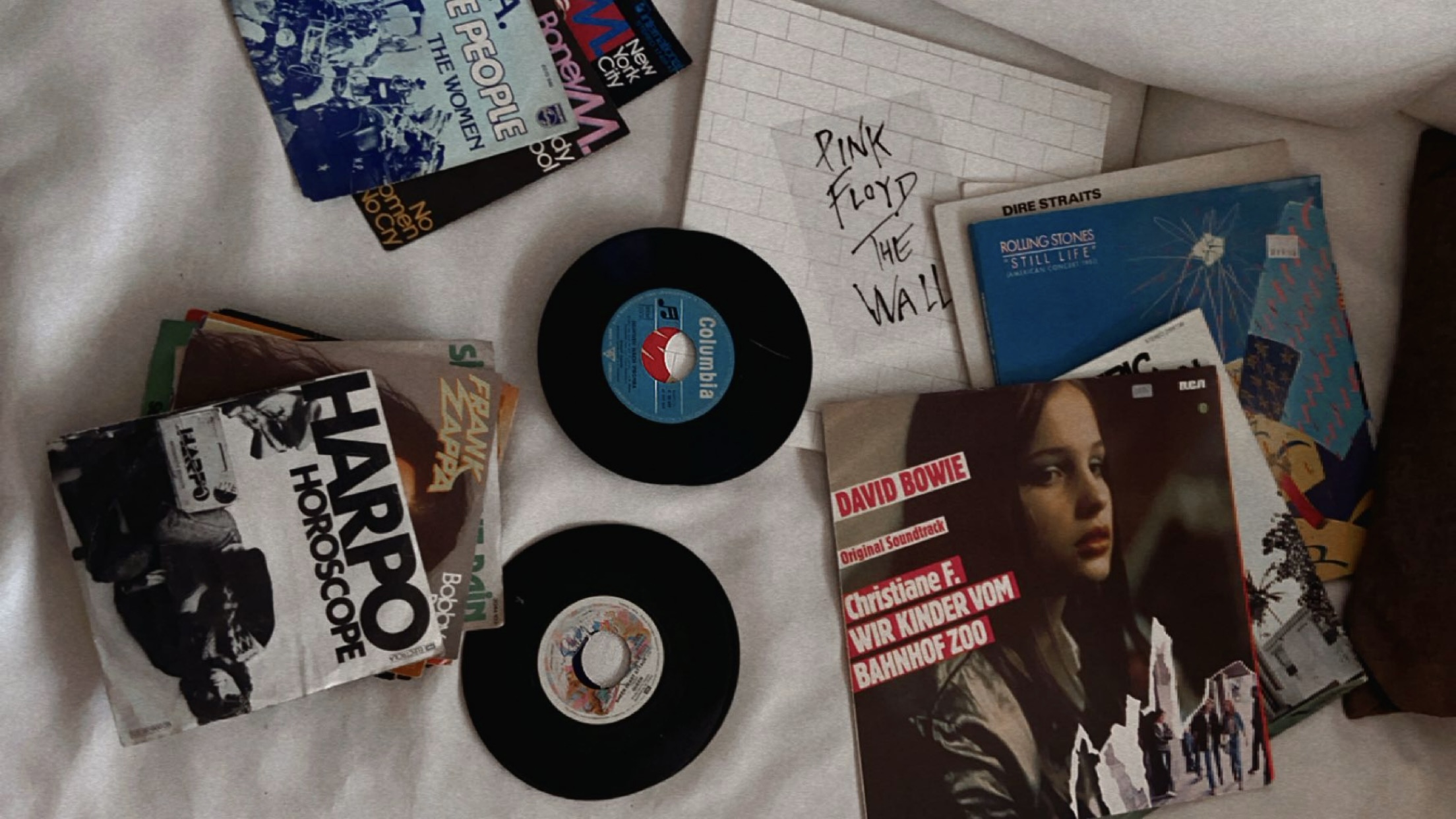
Because we long for it. We long for the mindfulness of putting on a record in peace. To feel it. To have to handle it carefully so that nothing gets scratched, so as not to compromise the sound. Turning the record over or changing it every few tracks, hovering the tone arm over the already spinning record and then letting it slip into the grooves of the soundtrack. No fast-forwarding, just listening.
Why do we perceive this music differently?
Collecting records, browsing record stores, and spending hours flipping through the most creative covers to discover new treasures in the boxes. Music becomes a physical element, something that spreads throughout the room. When the record player is playing, everyone is quiet and listens instead of shouting over the loud sounds.
The perfect photo: we take 500 pictures and one of them is worthy of being published and not deleted. Most of the time, we do not even delete these 500 photos, but store them carefully in storage spaces that often cost us money every month. We pay for our own clutter. Click, a photo that is perfect becomes even more perfect through editing, through a pretty filter, even more beautiful, more and more beautiful. Full control. We love control.
A film that is inserted. Control that is relinquished. A few rudimentary settings that can still be made. Then: wait. Hold the camera steady on the object, because there is no image stabilizer, press the shutter button. We see: nothing. No image in the preview, not even a screen. Did the photo turn out okay? A week later: a folder full of pictures that we flip through. Surprise, joy, anger. Overexposure, color cast. Photos we can't control. Memories we can touch. We have produced a physical object, a photo, and we can no longer change it. It will remain as it is in our hands.
Why do we long for this today? Why do we appreciate these old technologies again?



It is our technostalgia.
Technostalgia describes the longing for technologies that represent a cherished past. It is a form of nostalgia in which technology itself becomes the object of memory (Bijsterveld & van Dijck, 2009). It is a critique of the present, a counter-movement to today's fast-paced world.
Tim van der Heijden coined the term “technostalgia of the present”: a phenomenon in which we view the present through the lens of a simulated past (Van der Heijden, 2015). We use “retro filters” to make our photos look as if they were taken with an analog camera. Many RnB, Hip Hop, or Jazz artists add artificial noise and crackling to their tracks to create the feeling of a vinyl record.
Why? In our highly digitalized world, we long for the analog, the feeling of authenticity and tangibility. We draw on the aesthetics of old media to transfer their cultural significance into our digital sphere (Van der Heijden, 2025). According to Van der Heijden, we are experiencing a shift from technologies of memory to a memory of technologies.
We appreciate imperfections such as image noise, lens flare, or the crackling of vinyl. Perhaps because we ourselves are exhausted by our own perfectionism. Perhaps because we simply need to slow down ourselves and our senses.
References:
Bijsterveld, K., & van Dijck, J. (Eds.). (2009). Sound souvenirs: Audio technologies, memory and cultural practices. Amsterdam University Press.
Van der Heijden, T. (2015). Technostalgia of the present: From technologies of memory to a memory of technologies. NECSUS. European Journal of Media Studies, 4(2), 103–121. https://doi.org/10.5117/NECSUS2025.2.HEIJ